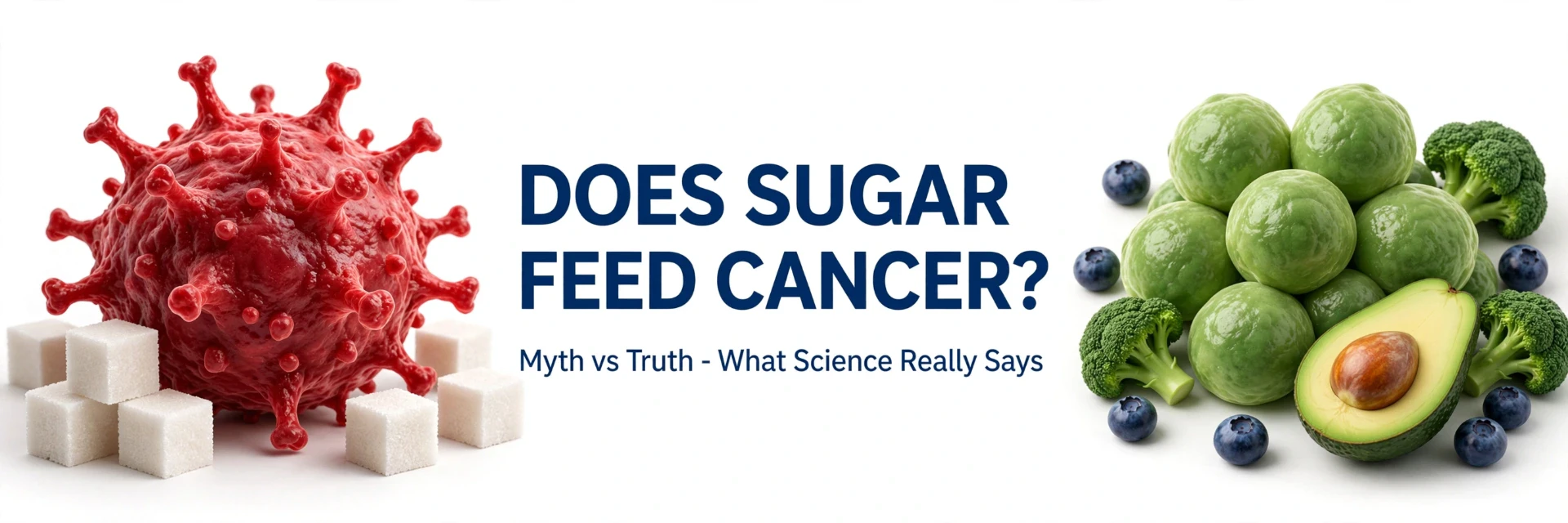
Is Sugar Feeding Your Cancer? The Truth About Sugar & Cancer Diet
I will never forget what happened in our home. When my uncle was diagnosed with cancer two years ago, my mother didn't cry first. She walked straight into the kitchen, took the big steel container of sugar, and threw it all in the trash. From that day on, there was no sugar in tea, no biscuits for guests, no chocolate for the kids if he was in the room. When I asked her why, she said with complete confidence, "Sugar feeds cancer. No sugar, no cancer." And I believed her. We all did. Because we h
I will never forget what happened in our home.
When my uncle was diagnosed with cancer two years ago, my mother didn't cry first. She walked straight into the kitchen, took the big steel container of sugar, and threw it all in the trash. From that day on, there was no sugar in tea, no biscuits for guests, no chocolate for the kids if he was in the room.
When I asked her why, she said with complete confidence, "Sugar feeds cancer. No sugar, no cancer."
And I believed her. We all did. Because we have all seen those scary WhatsApp forwards in red letters: "SUGAR FEEDS CANCER - STOP IT TODAY!"
For months, we made him eat boiled, tasteless food. He became weaker, not just from chemotherapy, but from sadness and lack of energy.
Later, when I started researching for Nutri Amal, I actually sat down and read the real studies from the National Cancer Institute, the American Cancer Society, and the Mayo Clinic. And I felt guilty. We were punishing him for no reason.
If you are reading this at 2 AM, worried about your father, your mother, or yourself, I understand you. I have been there.
If treatment is making you feel weak and tired all day, food is your biggest strength. I have already covered how to bring back your daily energy here: 10 Essential Vitamins for Daily Energy and Vitality
So, in this guide, I will explain in simple, honest language what science actually says about sugar and cancer, what you really need to avoid, and what you can safely eat without any guilt.
What Does "Sugar Feeds Cancer" Actually Mean? The Real Science
This line did not come from nowhere. It came from a real scientific discovery called the Warburg Effect.
Almost 100 years ago, in the 1920s, a German scientist named Otto Warburg noticed something strange. He found that cancer cells are extremely greedy. They eat glucose, which is what sugar becomes inside your body, almost 10 to 15 times faster than your normal, healthy cells.
This is true. And this discovery was so important that he won a Nobel Prize for it. Source: National Cancer Institute - Understanding Cancer and the Warburg Effect
So people connected the dots in a simple way: "If cancer cells love sugar so much, let's just stop eating sugar completely. The cancer will starve and die."
It sounds logical. That is why everyone believes it.
But here is the part that no one told you on Facebook or WhatsApp.
Sugar is not only food for cancer cells. Every single cell in your body runs on sugar.
Your brain runs 100% on glucose. Your heart beats because of glucose. Your immune system, the soldiers inside your body that are actually fighting the cancer, needs a huge amount of glucose to fight.
You cannot starve cancer cells without starving your own healthy cells first.
The American Cancer Society says it very clearly: eating sugar does not directly make cancer cells grow faster. All cells in your body, both cancerous and normal, use sugar for energy. Source: American Cancer Society - Diet and Physical Activity
So why is sugar still considered bad?
Because of what happens AFTER you eat too much sugar. Let me explain it like a chain, step by step:
You eat a lot of sweets, biscuits, and sugary drinks every single day -> Your blood sugar goes very high -> Your body releases a lot of insulin to control it -> Whatever extra sugar is left, your body stores it as fat, especially around your belly -> This belly fat is not quiet fat. It creates chronic inflammation, like a small, slow fire burning inside your body 24 hours a day -> This fire and too much insulin create a perfect, comfortable home where cancer can grow easily and where treatment becomes less effective.
Do you see the difference now?
Sugar does NOT directly feed cancer. Sugar feeds obesity and inflammation, and obesity and inflammation feed cancer. This is the real truth.
Harvard T.H. Chan School of Public Health states that being overweight or obese is linked to at least 13 different types of cancer, including breast, colon, liver, and kidney cancer. Source: Harvard - Obesity and Cancer Risk
The Direct Answer: Does Eating Sugar Cause Cancer?
Let me give you a straight answer so you don't have to worry all night.
No. Eating sugar by itself does not directly cause cancer. And one spoon of sugar in your tea will NOT make your existing cancer spread.
But eating a lot of added sugar, every single day for many years, causes three things that definitely increase your risk of cancer:
1. It Makes You Gain Weight: This is the number one villain. Sugary drinks are the worst culprit. One regular can of Coke has 39 grams of sugar. That is almost 10 teaspoons of sugar in one small can. It has zero vitamins, zero protein, and zero fiber. Just empty calories that turn into fat. And being overweight is the biggest controllable risk factor for cancer.
2. It Messes Up Your Insulin: When you eat too much sugar every day, your body stops listening to insulin. Doctors call it insulin resistance. When your insulin level is always high in your blood, it acts like fertilizer for some cancers, especially breast and colon cancer. It tells cells to grow faster. Source: NIH - Insulin and Cancer Link
3. It Causes Chronic Inflammation: Too much sugar keeps your body in a constant state of stress and inflammation. When your body is busy fighting sugar-related inflammation, it has less power left to fight cancer cells.
So, our fight is not against one piece of sweet. Our fight is against the daily habit of too much sugar.
5 Types of Sugar You Must Avoid During Cancer Treatment
You don't have to stop eating mangoes or apples. Please don't. They did not cause cancer. You need to avoid these five specific types of sugar.
1. Added White Sugar - The Obvious One This is your normal white table sugar, the sugar in cold drinks, pastries, cakes, and sweets. It has nothing good in it. No fiber, no vitamins. It gives you a quick energy high for 30 minutes and then a big crash. That crash makes your chemotherapy fatigue feel 10 times worse.
Research has shown that people who drink two or more sugary drinks per day have a higher risk of dying from cancer. Source: NIH - Sugary Drinks and Cancer Mortality
2. Hidden Sugar - The One That Fools You This one is more dangerous than white sugar because you don't even know you are eating it. Food companies are very smart. They hide sugar with more than 60 different names on the ingredient list. Next time you buy anything, check the back of the packet.
If you see these names, it's all sugar: Corn Syrup, High-Fructose Corn Syrup, Dextrose, Maltose, Fructose, Fruit Juice Concentrate, Inverted Sugar. Where is it hiding? In tomato ketchup - one tablespoon has one teaspoon of sugar. In white bread. In flavored yogurt. And in those "healthy" real fruit juices. One 250ml pack of real orange juice has 26 grams of sugar, which is more than Coke.
3. Artificial Sweeteners - The Diet Coke Trap Many people think, "Let's be smart and switch to diet coke, it's safe." The good news is, according to the National Cancer Institute and the FDA, FDA-approved sweeteners like Stevia, Sucralose, and Aspartame do NOT cause cancer when you consume them in normal amounts. Source: National Cancer Institute - Artificial Sweeteners Fact Sheet But they are not magic either. They can disturb your healthy gut bacteria and make you crave more sweets.
My honest advice after reading all the research is, if you really need a sweetener, use Stevia. It comes from a plant, it is natural, and it is a much better choice.
4. The Jaggery and Honey Myth In our culture, we all believe "Jaggery is healthy, honey is pure, so it's safe." For a normal, healthy person, jaggery does have a little iron and honey has some good properties. But for a cancer patient? Your body doesn't care about the story. Whether it is jaggery, honey, or white sugar, your body breaks it all down into the same thing - glucose. It causes the same blood sugar spike.
So yes, one small teaspoon of honey in warm water is okay if you like it. But drinking honey-lemon water five times a day thinking it will cure cancer? That's just a lot of sugar.
5. Alcohol Mixed with Sugar - Double Damage This is the worst combination. Alcohol itself is classified as a Group 1 carcinogen. That means it is in the same cancer-causing group as tobacco, according to the World Health Organization. When you add sugar to it, like in cocktails, sweet wine, and beer, you get double damage. Sugar plus alcohol plus weight gain. During and after cancer treatment, alcohol should be completely avoided. Source: American Cancer Society - Alcohol and Cancer
So, What CAN You Eat? Safe and Tasty Alternatives
You don't have to live on boiled, tasteless food. You just need smarter choices.
If you are craving sweetness, try these:
Stevia: It is from a plant, 200 times sweeter than sugar, but has zero calories. It does not raise your blood sugar at all. It is perfect for your tea and coffee.
Whole Fruits, Not Juice: This is so important. An apple has sugar, yes, but it also has fiber. That fiber acts like a brake. It slows down how fast sugar enters your blood. So your blood sugar doesn't shoot up. Eat two whole fruits every day, but please don't drink the juice. Juice removes all the fiber.
One Date with Nuts: If you are dying for something sweet after lunch, don't eat a biscuit. Eat one soft date with two almonds. You will get sweetness plus protein and fiber, which keeps you full.
Here is a simple, low-sugar, high-energy meal plan that I share with families through our clinic's guidance. This is for general information to help you maintain weight and energy:
Mealtime | What to Eat | Why It Helps You |
|---|---|---|
Breakfast (8 AM) | Steel-cut oats + 5 blueberries + 5 almonds + 1 boiled egg | Low sugar spike, high protein so you don't lose muscle during chemo |
Lunch (2 PM) | 1 cup brown rice + Dal + Curd + Mixed vegetables + Lemon | Balanced, curd keeps your gut healthy, very important during chemo |
Evening Snack (5 PM) | Roasted chickpeas + black coffee with a little Stevia | Stops sweet cravings, full of protein |
Dinner (8 PM) | Grilled chicken or fish + Quinoa + Broccoli soup | Helps your body repair at night, broccoli has compounds that help fight cancer |
Before Bed (10 PM) | 1 cup warm turmeric milk with NO sugar | Turmeric fights inflammation, helps you sleep deeply |
A small tip from my side: If chemotherapy has ruined your taste and everything tastes like metal, don't force yourself to eat bland food. Add lemon juice, mint chutney, roasted cumin, or a little chaat masala. Make it tasty without adding sugar. Because during chemo, maintaining your weight is far more important than being 100% sugar-free.
And if your treatment has made your bones weak, which chemotherapy often does, you must read this next: Effective Vitamins for Height Growth and Bone Strength After Puberty
3 Foods That Can Destroy Your Progress
1. Cold Drinks and Packed Juices: Even the diet ones. One glass of packed juice is equal to 6 oranges without any fiber. It's just sugar water.
2. Biscuits, Pastries, White Bread: This is Maida + Sugar. The worst combination in the world. It spikes your sugar the fastest and feeds bad bacteria in your stomach.
3. Fried Sweets like Jalebi and Gulab Jamun: This is sugar plus oil plus Maida. It is pure inflammation on a plate. Avoid it completely during treatment.
Final Words from My Heart
Look, I am not here to give you false hope. And I am not here to scare you.
One spoon of sugar did not cause cancer. And leaving one spoon will not cure it either.
But what you eat every day for the next five years? That will decide how strong you feel, how fast you recover, and how much energy you have to live your life.
Please don't punish the patient. Don't make their food joyless. If it is Eid and they want a small bowl of kheer, let them have it. If it is a birthday and they want a small piece of cake, let them have it. That small piece of joy will NOT feed cancer. But guilt, sadness, and constant stress?
That will definitely make things worse.
Focus on the big picture: Keep a healthy weight. Eat more dal, eggs, curd, and fresh vegetables. Stop the daily cold drink and biscuits. Walk for 30 minutes in the sun. Sleep for 8 hours.
That is the real anti-cancer diet. Not a tasteless, joyless, zero-sugar life.
Medical Disclaimer: I am not a doctor. I am sharing what I have learned from reading real scientific studies to help you understand better. This article is for educational purposes only. Every cancer is different. Please talk to your own oncologist or dietitian before making any big changes to your diet, especially during chemotherapy.
GET YOUR PERSONAL CANCER DIET PLAN - FREE CALL
Every cancer is different. Every treatment stage is different. Every patient's body is different. That is why a general blog is not enough.
I want to talk to you personally for 15 Minutes, for FREE.
We will look at your reports, your current treatment stage, your weight, and your appetite, and I will help you make a simple, low-sugar, high-energy meal plan that you can actually follow at home with your family foods, as part of our services.
This is not a sales call. No medicine selling. Just pure guidance to help you start eating right from today.
Many families have already taken this call through our team of doctors and felt more confident about what to cook the next day.
Your family is waiting for you to be strong again.
>> CLICK HERE TO BOOK YOUR FREE 15-MINUTES CANCER DIET CALL NOW <<
Limited slots per week - I do these calls myself between my research work, so please book only if you are serious.
FAQs - People Also Ask
1. Does sugar directly feed cancer cells and make them grow faster? No. According to the National Cancer Institute, all cells in your body, including healthy brain cells and immune cells, use glucose from sugar for energy. Sugar does not directly feed only cancer cells. However, too much sugar leads to weight gain and inflammation, which creates an environment where cancer can grow more easily.
2. Can cancer patients eat sweets or cake on birthdays or festivals? Yes, a small amount occasionally is absolutely okay. The American Cancer Society says your total daily eating pattern matters, not one single food. A small piece of cake on a birthday will not make cancer spread. But drinking sugary drinks every day will increase risk.
3. Is jaggery or honey better than white sugar for cancer patients? No, for cancer patients your body sees jaggery, honey, and white sugar as the same thing - glucose. While jaggery has a tiny amount of iron, the sugar load is almost identical. It should be used in very small amounts only, not as a healthy alternative.
4. Can I use honey during chemotherapy? You can use one teaspoon of honey if you like, but some oncologists ask patients to avoid raw honey during chemotherapy because of a small infection risk when immunity is very low. Always ask your own doctor before using it.
5. What is the best and safest sugar alternative for cancer patients? Stevia is considered the safest natural alternative because it has zero calories and does not raise blood sugar levels. Eating whole fruits is also a safe way to satisfy sweet cravings because the fiber in the fruit slows down sugar absorption.
6. How much added sugar per day is safe after cancer treatment? The American Heart Association recommends no more than 25 grams (about 6 teaspoons) of added sugar per day for women and 36 grams (9 teaspoons) for men. For cancer survivors, even less is better, and you should focus on getting sugar from whole fruits, not added sugar.
7. Do artificial sweeteners like Aspartame or Sucralose cause cancer? According to the National Cancer Institute and the FDA, there is no clear evidence that FDA-approved artificial sweeteners cause cancer in humans when consumed in normal amounts. However, natural options like Stevia are generally considered a better choice for long-term use.
8. Does sugar cause breast cancer specifically? Sugar itself does not directly cause breast cancer. But being overweight after menopause, which often comes from eating too much added sugar, is a major risk factor for breast cancer. High insulin levels from a very sugary diet can also increase risk.
9. What is the best diet to maintain weight during chemotherapy? The best diet during chemotherapy is high in protein, high in fiber, and low in added sugar. Eat eggs, lentils, chicken, fish, yogurt, oats, and plenty of vegetables. During chemo, maintaining your weight is more important than being 100% sugar-free. Eat small, frequent meals 5-6 times a day.
10. Can fasting or a zero-sugar keto diet starve and cure cancer? No, this is a very dangerous myth. Fasting or a zero-carbohydrate keto diet will not starve cancer. If you stop eating carbs, your body will break down your own muscles to make glucose for the cancer anyway. This will make you weak, lose weight, and make your treatment less effective. Never try keto or fasting during cancer without your oncologist's permission.
Need a plan built around you?
If your condition is more complex than general blog guidance, a 1:1 appointment is the best next step.
Related posts
Nutrition
OmniContent Test 1787697260013
Automation integration test excerpt.
Nutrition
7 Warning Signs of Nutrient Deficiency You Should Never Ignore
Signs of Nutrient Deficiency: 12 Warning Symptoms You Should Never Ignore in Pakistan Do you wake up tired even after 8 hours of sleep? Does your hair fall fill your pillow every morning? Do your nails break the moment they grow a little? Do you get mouth ulcers every month? If you said yes, you are not alone. I talk to so many Pakistani women and men between 18-45 years who are facing the same issue - constant fatigue, hair fall, and low energy. And the reason is not just stress. It's your plat
Nutrition
Anti Inflammatory Food List: Foods to Reduce Joint Pain & Inflammation Naturally
Anti Inflammatory Food List: Best Foods to Reduce Inflammation & Joint Pain Naturally in Pakistan Do you wake up every morning with stiff joints? Do your knees hurt after sitting for a while? Do you feel tired all the time even after a full night's sleep? If you said yes, you are not alone. I talk to so many Pakistani women and men between 18-45 years who are facing the same issue - chronic joint pain and inflammation. And the reason is not just age. It's your plate. What you eat every day c