PCOS Diet for Weight Loss and Hormone Balance
Introduction If you have PCOS, you know it is never just about weight. It is weight plus irregular periods, constant fatigue, acne, mood swings, and cravings that feel impossible to control. Many women tell me the same thing: “I am eating less and exercising more, but the scale is not moving.” If you feel that way, you are not alone. The good news is, you do not need a strict or extreme diet. What you really need is a simple and realistic PCOS diet plan that helps stabilize blood sugar
Introduction
If you have PCOS, you know it is never just about weight. It is weight plus irregular periods, constant fatigue, acne, mood swings, and cravings that feel impossible to control.
Many women tell me the same thing: “I am eating less and exercising more, but the scale is not moving.” If you feel that way, you are not alone.
The good news is you do not need a strict or extreme diet. What you really need is a simple and realistic PCOS diet plan that helps stabilize blood sugar, keeps you full for longer, and supports your energy and hormone balance. No starvation, no complicated rules. Just a balanced approach you can follow in real life.
PCOS diet guidance from Johns Hopkins Medicine
What Is PCOS?
PCOS stands for Polycystic Ovary Syndrome. It is a hormonal condition that can affect ovulation, your menstrual cycle, androgen levels, and insulin sensitivity. That is why some women experience irregular periods, acne, excess hair growth, weight gain, or difficulty losing weight. balanced eating patterns recommended for PCOS
Not everyone experiences PCOS the same way. For some, insulin resistance is the main challenge. For others, it is fertility, skin health, or weight management. That is why a flexible and sustainable eating pattern works better than a rigid, one-size-fits-all diet.
Why Diet Matters in PCOS
Diet does not cure PCOS, but it plays a very important role in managing it. Most medical guidelines highlight nutrition and lifestyle as the first steps because they can improve blood sugar control, reduce energy crashes, and support healthy weight management. PCOS diet guidance from Johns Hopkins Medicine
When your meals include a good balance of protein, fiber, and healthy fats, you stay satisfied longer. Your blood sugar stays more stable, cravings become less intense, and you have more consistent energy throughout the day. That stability makes a big difference when weight loss feels difficult.
Best Foods to Eat in PCOS
A PCOS-friendly diet does not have to be boring. It should be based on whole, filling, and minimally processed foods.
Best food choices
Eggs.
Greek yogurt or plain unsweetened yogurt.
Oats.
Lentils, chickpeas, and black beans.
Chicken, fish, tofu, and low-fat cottage cheese.
Spinach, broccoli, cucumbers, and other non-starchy vegetables.
Berries, apples, and pears.
Avocado, olive oil, nuts, and seeds.
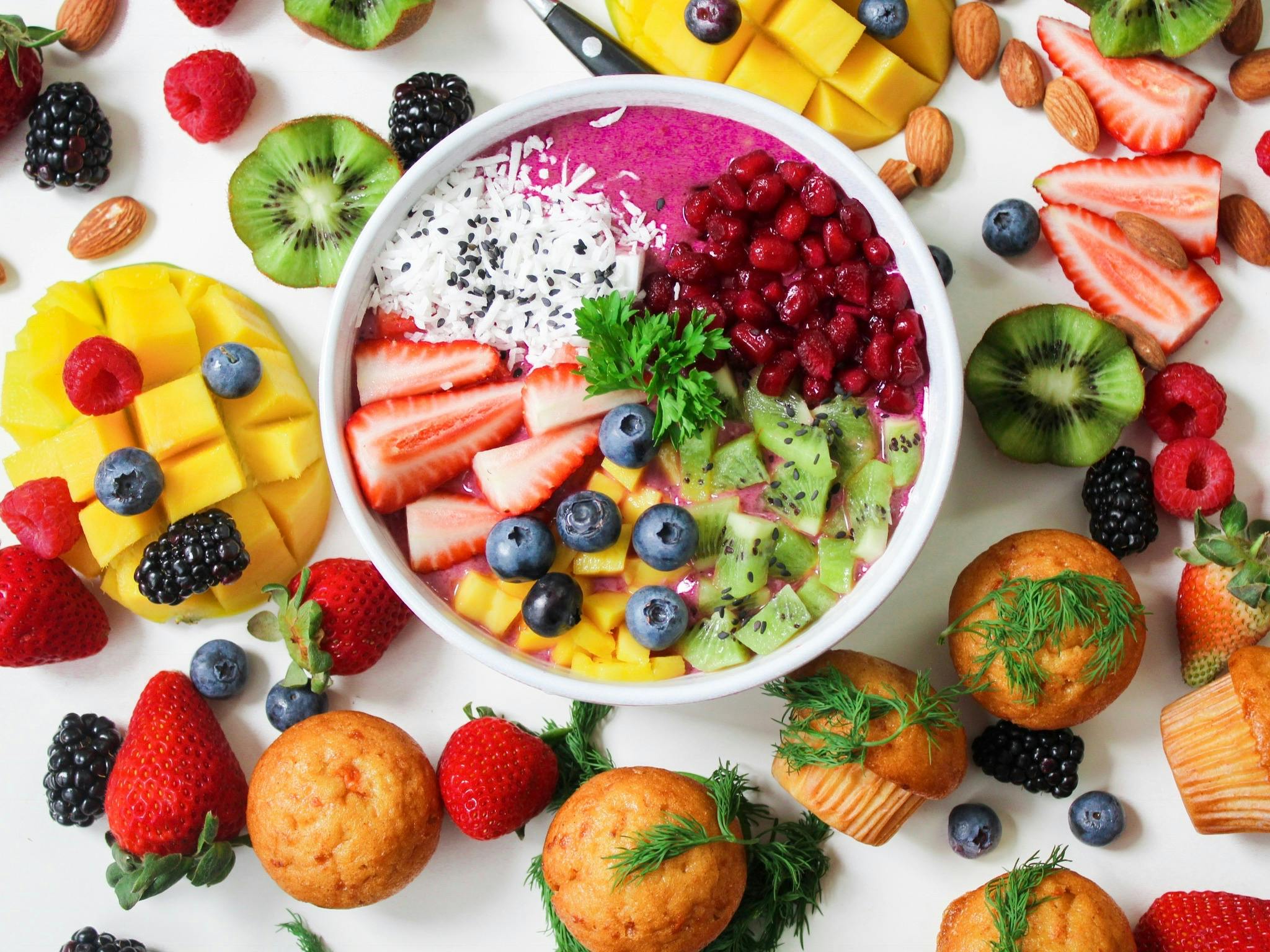
A simple rule that works for most people: Build each meal around protein first, then add fiber-rich carbohydrates and a small amount of healthy fat. For example, oats with chia seeds and yogurt will keep you much fuller than sugary cereal and help maintain steady energy.
Foods to Limit in PCOS
You do not have to eliminate all your favorite foods forever. But when certain foods are eaten too often, they can make PCOS symptoms harder to manage, especially if insulin resistance is part of your pattern. Foods high in added sugar and refined flour can cause sharp blood sugar spikes and crashes. what to eat to manage PCOS symptoms
Foods to limit
Sugary drinks like soda and sweetened juices.
Pastries, cakes, and other baked sweets.
White bread, white rice, and snacks made with refined flour.
Deep-fried fast food.
Packaged chips and ultra-processed snacks.
Sweetened coffee drinks and heavy desserts.
The goal is not perfection. It is about making your daily meals more supportive so that an occasional treat does not undo your progress.
7 Day PCOS Diet Plan
Here is a simple 7-day PCOS diet plan you can use as a starting point. It is designed to be realistic, easy to prepare, and flexible.
Day 1
Breakfast: Oats cooked with milk, chia seeds, and a few mixed berries.
Lunch: Grilled chicken or cottage cheese with a large mixed salad and half a cup of brown rice.
Snack: A small handful of almonds.
Dinner: Lentil soup with sautéed vegetables.
Day 2
Breakfast: Two boiled eggs with whole grain toast and sliced cucumber.
Lunch: Chickpea salad with olive oil and lemon dressing.
Snack: Plain unsweetened yogurt.
Dinner: Stir-fried vegetables with tofu or cottage cheese.
Day 3
Breakfast: Greek yogurt with ground flax seeds and sliced apple.
Lunch: Grilled chicken or lentils with a small portion of brown rice.
Snack: Roasted chickpeas.
Dinner: Vegetable soup with grilled fish or baked cottage cheese.
Day 4
Breakfast: Chickpea flour pancakes with a side of plain yogurt.
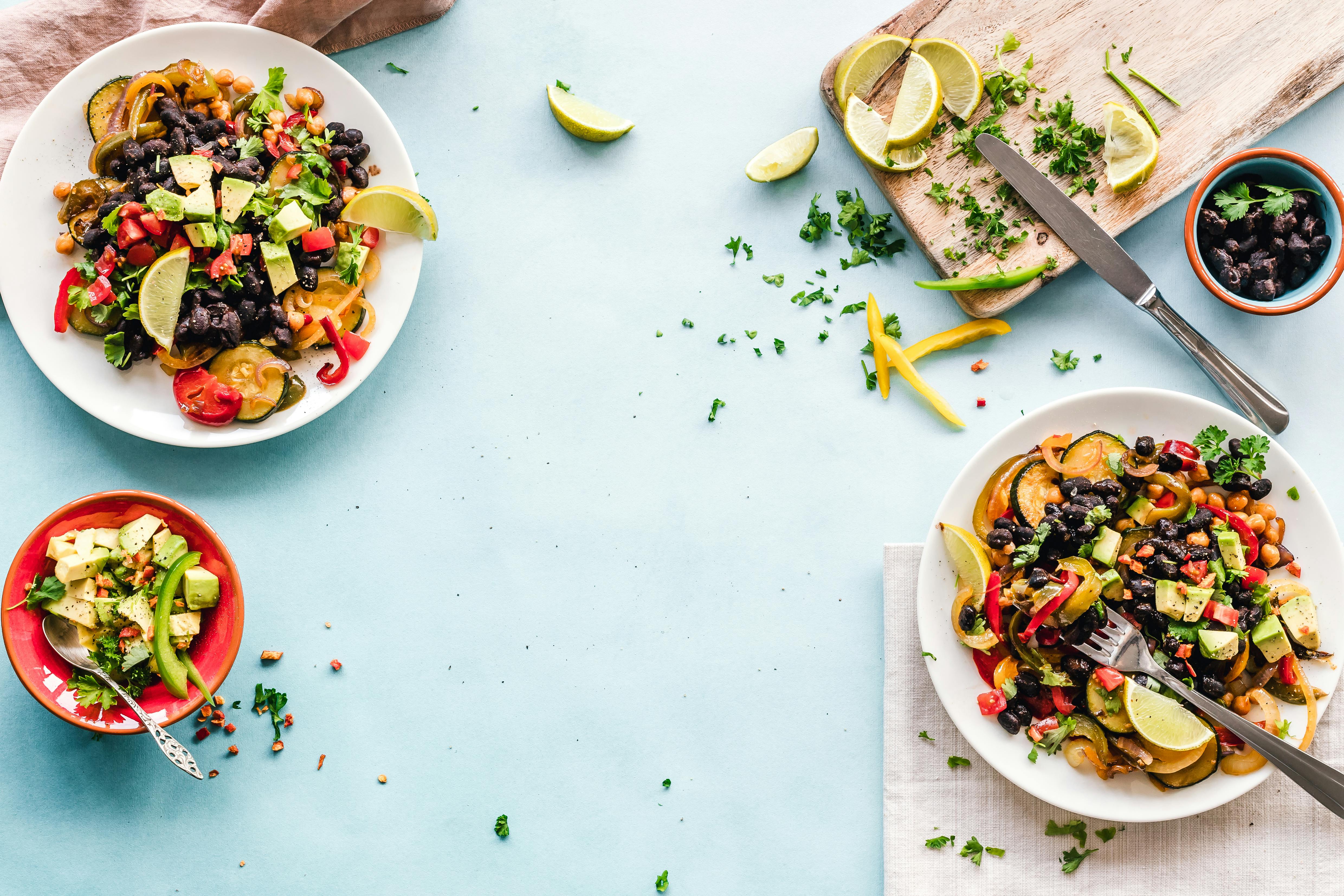
Lunch: Large salad bowl with black beans, mixed vegetables, and avocado.
Snack: A few walnuts with green tea.
Dinner: Whole wheat tortilla with mixed vegetables and lentils.
Day 5
Breakfast: Smoothie made with yogurt, spinach, chia seeds, and berries.
Lunch: Grilled lean protein with roasted vegetables.
Snack: Carrot sticks with two tablespoons of hummus.
Dinner: Lentils and rice porridge with a side salad.
Day 6
Breakfast: Scrambled eggs with sautéed spinach and tomatoes.
Lunch: Brown rice bowl with cottage cheese and vegetables.
Snack: One tablespoon of pumpkin seeds.
Dinner: Chickpea and vegetable soup with a side salad.
Day 7
Breakfast: Overnight oats with nuts and cinnamon.
Lunch: Whole wheat wraps with chicken or tofu and plenty of vegetables.
Snack: One apple with one teaspoon of peanut butter.
Dinner: Steamed lentils with roasted vegetables and a small portion of brown rice.
This plan is intentionally simple. The best PCOS diet plan is the one you can actually maintain, not the one that looks perfect on paper.
PCOS-Friendly Breakfast Ideas
Breakfast sets the tone for your entire day. If you skip it or only have coffee, you are more likely to feel hungry and tired by late morning. A breakfast with protein and fiber can help control cravings.
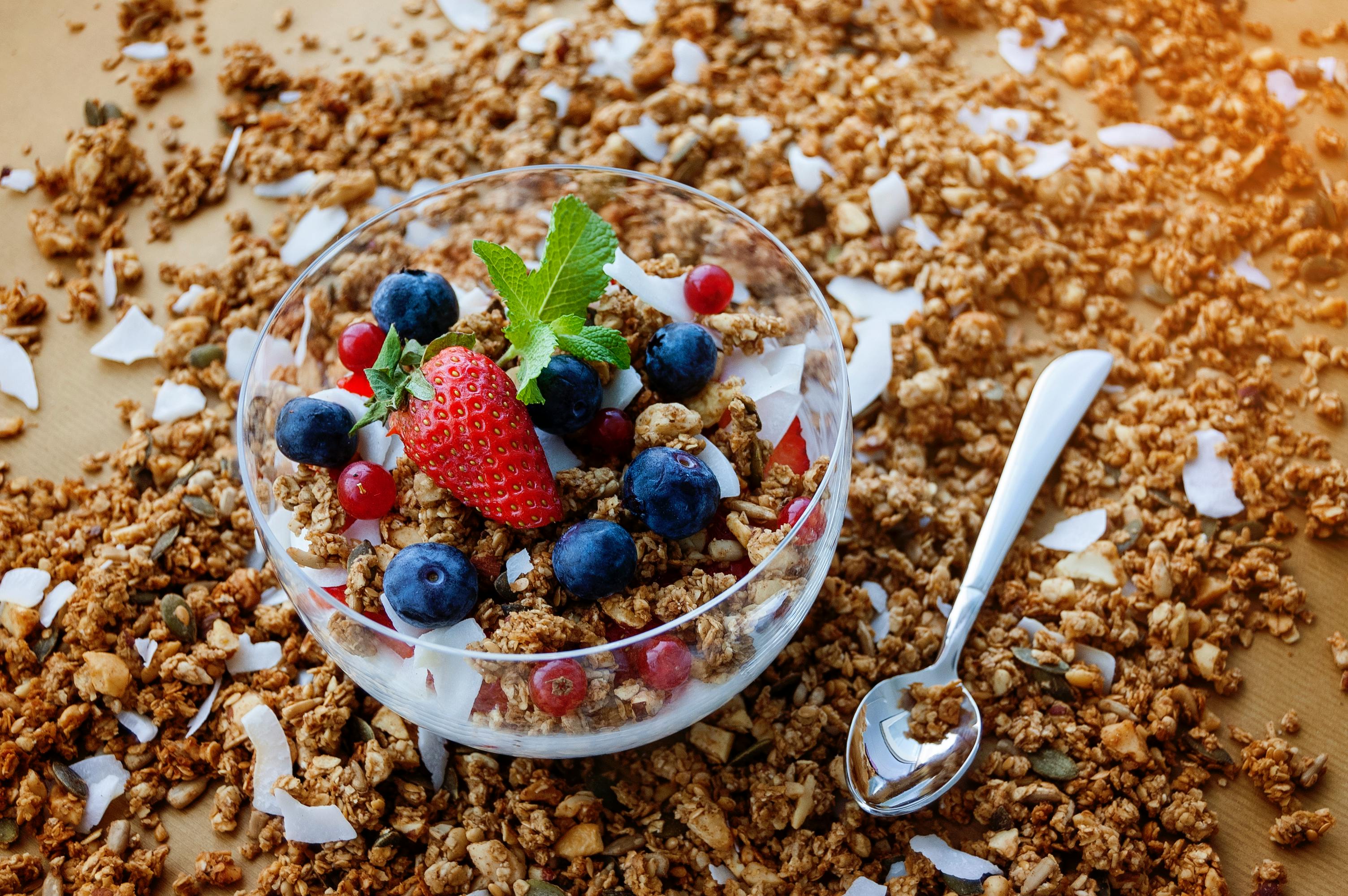
Breakfast ideas
Oats with nuts and seeds.
Eggs with sautéed vegetables.
Greek yogurt with fresh fruit.
Chickpea flour pancakes.
Protein smoothie with spinach and berries.
If you usually skip breakfast, try starting with something small and balanced. It often prevents overeating later in the day.
Lunch and Dinner Ideas
Lunch and dinner should be satisfying, not restrictive. You do not need to eat only diet food. You just need balanced meals.
Good meal ideas
Grilled chicken with roasted vegetables.
Lentils with salad and a whole wheat tortilla.
Cottage cheese stir-fry with brown rice.
Chickpea and cucumber bowl with lemon dressing.
Baked fish with roasted vegetables.
Lentil soup with a side salad.
A helpful plate method is half vegetables, one quarter lean protein, and one quarter whole grains or complex carbohydrates.

Healthy Snack Ideas
Healthy snacks can help you stay full and prevent overeating at your next meal. A good PCOS-friendly snack usually includes protein, healthy fat, or fiber.
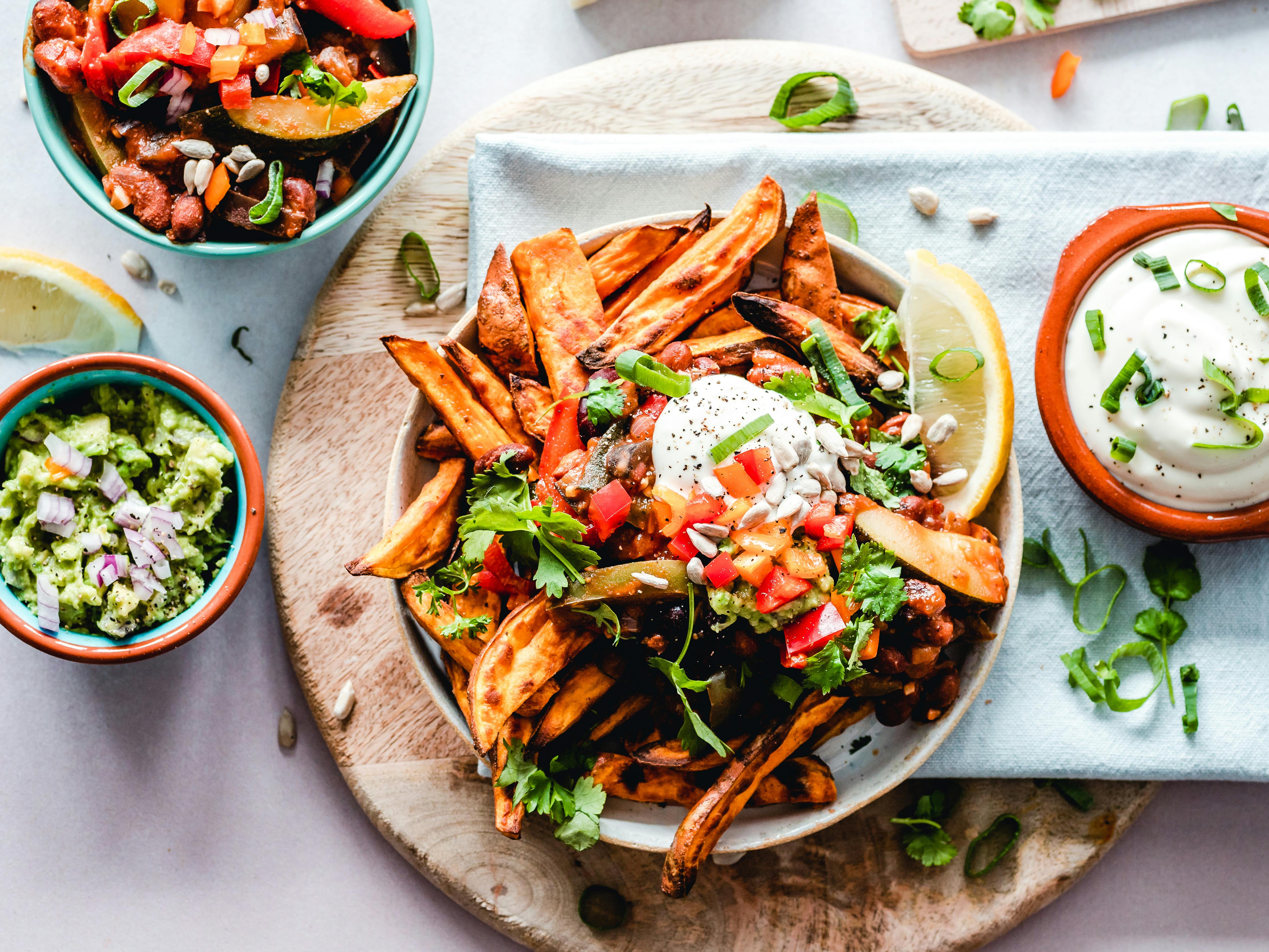
Snack ideas
A small mix of nuts and seeds.
Hard-boiled eggs.
Fresh fruit with peanut butter.
Plain yogurt.
Roasted chickpeas.
Hummus with cucumber or carrot sticks.
If you tend to crave sweets in the evening, having a balanced afternoon snack can really help reduce that urge.
Lifestyle Tips That Help
Nutrition works even better when you combine it with healthy lifestyle habits. Research shows that PCOS management improves when you also focus on movement, sleep, hydration, and stress management.
PCOS diet guidance from Johns Hopkins Medicine
Helpful habits
Walk daily for at least 20 to 30 minutes.
Add strength training two to three times a week.
Keep a consistent sleep schedule.
Drink enough water throughout the day.
Eat meals at regular times.
Manage stress through breathing exercises, journaling, prayer, or mindfulness.
You do not need a perfect lifestyle. Small, consistent habits matter more than occasional intense efforts.
Common Mistakes in PCOS Diet
Many people try to fix PCOS by eating too little or cutting out too many foods. That approach usually backfires.
Common mistakes
Skipping meals.
Following crash diets or very low-calorie diets.
Choosing foods labeled healthy but high in sugar.
Not eating enough protein.
Relying only on supplements.
Expecting results within a few days.
Instead of trying to be strict, try to be consistent. A steady plan works better than a perfect plan you cannot follow.
How Long Results Take
Results are different for everyone. Some people feel less bloated and more energetic within a few weeks. Changes in weight and menstrual cycles often take longer, usually two to three months of consistent habits.
If you keep your meals balanced most of the time, you are more likely to see gradual improvements. Think in months, not days.
When to See a doctor
If your symptoms are severe, your periods are very irregular, or you are trying to conceive, it is a good idea to speak with a doctor or registered dietitian. Personalized advice can help you create a plan based on your specific needs.
You should also seek medical support if you have:
Rapid weight gain.
Severe acne or excess hair growth.
Fertility concerns.
Blood sugar problems.
Thyroid or other metabolic issues.
Conclusion
A good PCOS diet plan does not have to be complicated. The most effective approach is usually simple, balanced, and realistic: more protein, more fiber, fewer processed foods, and meals that help keep your blood sugar steady.
Start with one meal at a time. You do not need to change everything in a single day. That is what makes this approach more sustainable and more effective in the long run.
About Nutri Amal
At Nutri Amal, we started this journey because we saw too many families making painful decisions based on fear rather than facts — cutting out entire food groups, following WhatsApp forwards, or punishing patients with tasteless meals, all in the name of "fighting" an illness. Over time, that turned into something bigger than just one blog post. Today, you can find us at healthclino.eu and healthclino.es, where we share research-backed guidance in a way that's actually easy to understand and follow at home.
If you're curious about who's behind this work and why we do it, our About Us page walks through our journey, and you can also read a bit more about our story if you'd like the fuller picture. Beyond articles, we also offer personalized nutrition and wellness services built around your specific treatment stage and lifestyle, and if you want to see everything we cover in more detail, feel free to browse our full range of services as well.
And if at any point you'd rather just talk to someone instead of reading through another article, one of our doctors is always happy to have a conversation with you, or you can reach out to our clinical team directly for guidance tailored to your situation — no pressure, no sales pitch, just honest support. And of course, if this article helped clear up a few things for you, there's plenty more where that came from on our blog, along with more health guides written specifically for families navigating similar journeys.
FAQ
1. What is the best diet plan for PCOS?
The best diet plan for PCOS usually focuses on protein-rich foods, fiber-rich vegetables, healthy fats, and low-glycemic carbohydrates. This combination supports stable blood sugar and better symptom control.
2. Can diet help with PCOS weight loss?
Yes. A balanced PCOS diet can help with weight loss by reducing cravings, improving insulin sensitivity, and making it easier to maintain a calorie-controlled diet without constant hunger.
3. What foods should I avoid with PCOS?
You should limit sugary drinks, refined carbohydrates like white bread, deep-fried foods, packaged snacks, and desserts high in sugar, as they can worsen blood sugar spikes.
4. Is a 7-day PCOS diet plan enough?
A 7-day plan is a good starting point, but long-term consistency matters more. The real goal is to build habits you can follow for several months.
5. Can I eat rice in PCOS?
Yes, but portion size matters. Brown rice or other whole grains are usually better choices because they digest more slowly than refined grains.
6. Does PCOS diet help regulate periods?
For many women, better nutrition, weight management, and improved insulin control may support more regular cycles over time.
“Along with following a balanced PCOS diet plan, it is also important to support your body with the right nutrients, especially essential vitamins for daily energy, which can help improve overall vitality and daily performance.”
10 Most Essential Vitamins for Daily Energy and Vitality (2026 Guide)
Want a PCOS Diet Plan Made Just for You?
This 7-day plan is a great starting point, but long-term results come from a plan that fits your lifestyle, symptoms, and goals.
Let's create one together. Get a FREE 15-minute consultation call with our expert Nutritionist and take the first step toward better hormone balance and sustainable weight loss.
Limited slots available daily.
[ Claim Your Free 15-Minute Call]
Need a plan built around you?
If your condition is more complex than general blog guidance, a 1:1 appointment is the best next step.
Related posts
Nutrition
OmniContent Test 1787697260013
Automation integration test excerpt.
Nutrition
7 Warning Signs of Nutrient Deficiency You Should Never Ignore
Signs of Nutrient Deficiency: 12 Warning Symptoms You Should Never Ignore in Pakistan Do you wake up tired even after 8 hours of sleep? Does your hair fall fill your pillow every morning? Do your nails break the moment they grow a little? Do you get mouth ulcers every month? If you said yes, you are not alone. I talk to so many Pakistani women and men between 18-45 years who are facing the same issue - constant fatigue, hair fall, and low energy. And the reason is not just stress. It's your plat
Nutrition
Anti Inflammatory Food List: Foods to Reduce Joint Pain & Inflammation Naturally
Anti Inflammatory Food List: Best Foods to Reduce Inflammation & Joint Pain Naturally in Pakistan Do you wake up every morning with stiff joints? Do your knees hurt after sitting for a while? Do you feel tired all the time even after a full night's sleep? If you said yes, you are not alone. I talk to so many Pakistani women and men between 18-45 years who are facing the same issue - chronic joint pain and inflammation. And the reason is not just age. It's your plate. What you eat every day c